
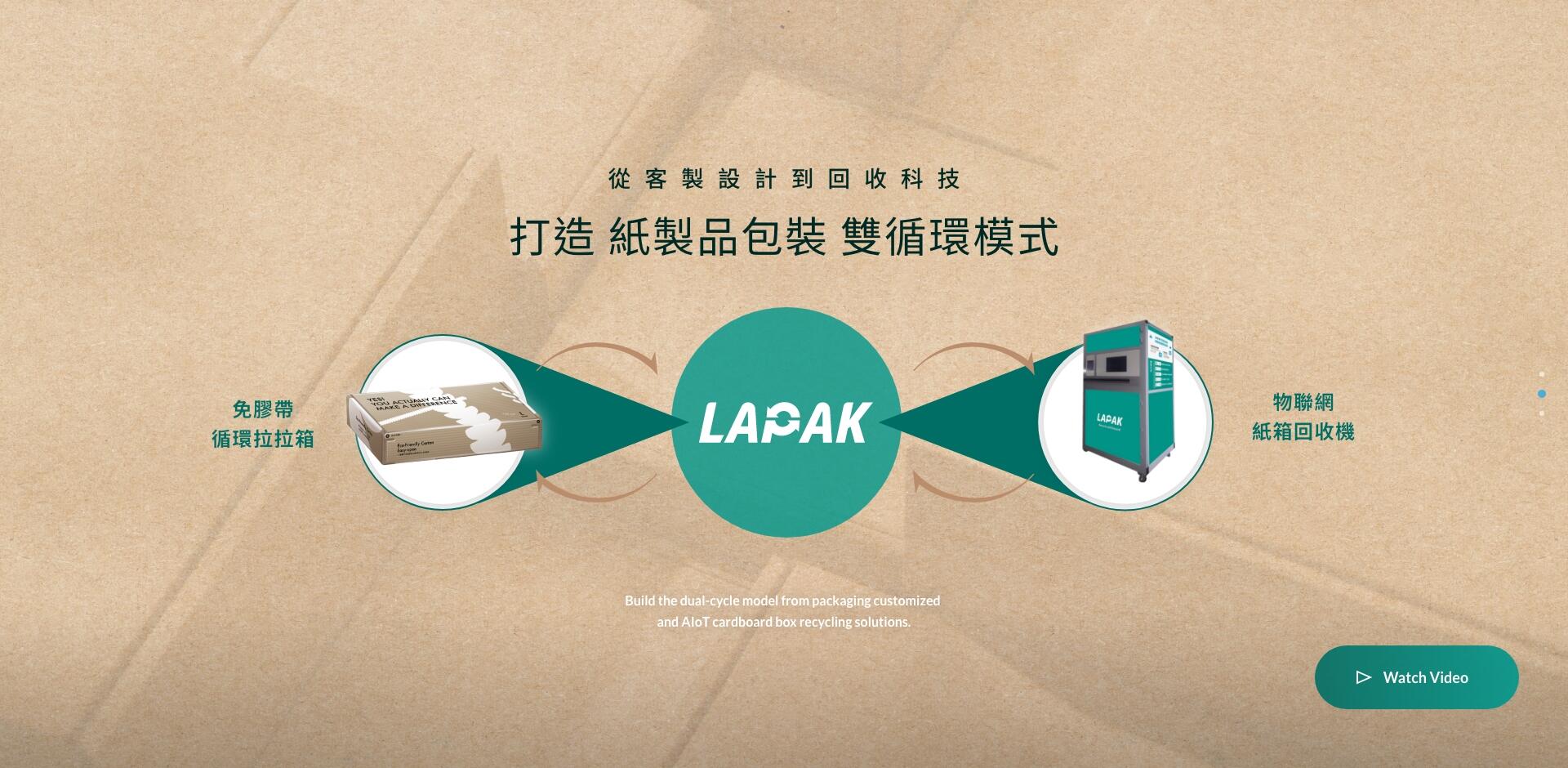
Why Do International Brands Choose Tear-Strip Boxes?
Article Navigation
- ● Why Global Brands Adopt Tear-Strip Cartons
- ● Sustainability Anxiety: Not Whether, but How
- ● From Lala Packaging’s Perspective: Why Start with Shipping Cartons
- ● Apple Case: Tear Off 600 Tons of Plastic Use
- ● Traditional Tape vs. Tear-Strip Cartons Comparison
- ● Low-Carbon Circular Packaging & LCA Evidence
- ● Adoption Case: 23.5°N’s Plastic-Reduction Results
- ● FAQ
Is Your E-commerce Parcel Still Sealed with Layers of Tape?
“Online shopping + unboxing” has become a daily routine for most people. Did you know? In 2021, Apple redesigned the iPhone 13 series packaging to a tear-strip structure. This wasn’t just about saving materials or being eco-friendly—it was a direct message to packaging procurement leaders, designers, and brand owners: the unboxing experience has become the first battlefield of brand differentiation.
This article will help you quickly grasp:
- Why European and American beauty and tech brands like lookfantastic and Apple are adopting tear-strip packaging designs
- How tape-free tear-strip cartons improve user experience and brand sustainability value at the same time
- The real packaging-upgrade results after Taiwan skincare brand “23.5°N” adopted the solution
- The true cost-benefit of adopting tear-strip cartons from a supply-chain perspective
- Carbon-reduction data and evidence-based research in the corrugated carton industry
- Consumers’ willingness to pay and behavior data regarding sustainable packaging
- Seven of the most common customization questions brands ask—answered
Sustainability Anxiety: Not Whether, but How
For most brand management teams, the real headache isn’t “whether to do sustainability,” but “how to do it right without significantly increasing costs.”
A 2025 study by National Taiwan Normal University surveying 643 Taiwanese consumers showed that about 70% of respondents said they knew what “circular packaging” is, but fewer than 50% had actually used it. This gap points to a key issue: do the current mainstream definitions and practices of circularity truly match everyday consumer habits?
From Lala Packaging’s Perspective: Why We Decided to Start with “Shipping Cartons”
Seeing Taiwan’s e-commerce market grow rapidly after the pandemic, and noticing that consumers are becoming more aware of environmental issues—and more willing to participate in circular actions—we founded Lala Packaging in 2021. Since then, we’ve focused on developing innovative e-commerce shipment packaging that fits both domestic and overseas markets, and we’ve integrated offline smart lockers and parcel recycling machines to build a “dual-loop innovation pathway.”
As the first step, we started with tape-free, recyclable tear-strip cartons and have successfully rolled them out to multiple mid-to-high-end brand customers. These cases prove one thing: companies no longer upgrade green packaging only because of regulatory pressure, but because they see that in a highly competitive market, consumers will make real choices with real actions.
Research indicates that more than 65% of consumers will proactively post and share on social media if they receive “special packaging”; and about 60% of consumers say they’re less likely to repurchase from the same seller if they receive “poor-quality packaging.”
Source: IF International, “The psychology behind the unboxing experience” survey and analysis.
Are Consumers Really Willing to Pay More for Sustainable Packaging?
Not only that—Trivium Packaging’s 2022 global survey of 15,000 consumers found that 86% of consumers under 45 are willing to pay a premium for sustainable packaging, and 68% said they had chosen a product in the past six months because it carried sustainability certifications or commitments. In other words, this is no longer the era of “green slogans”—the market truly votes with money.
1. Trivium Packaging, “Global Buying Green Report 2022”.
2. Consumers increasingly aware of sustainable packaging purchasing according to TRIVIUM
First, Look at What Apple Did: Tear-Off Seals That Cut 600 Tons of Plastic
In 2021, Apple redesigned the packaging for the entire iPhone 13 lineup, replacing the outer plastic wrap with a tear-off strip (Tear-off Strip). This single change reduced about 600 metric tons of plastic across the product lifecycle, while simultaneously addressing two pain points: “tamper-evident verification” and “consumer-friendly unboxing,” and moved the company toward its goal of completely removing plastic from packaging by 2025.
Data source: Apple to avoid 600 MT of plastic with no plastic wrap on iPhone 13 range.
Not Just Eco-Friendly: The Golden 3 Seconds of Unboxing
Apple’s packaging strategy has never been simply about “doing good.” It designs the entire flow from the consumer’s unboxing experience. Through a tear-strip carton structure, consumers can open the box in about three seconds without scissors or box cutters—no violent tearing—resulting in a smooth, ritual-like experience.
This kind of detailed design directly translates into brand goodwill, and further drives massive organic sharing of unboxing videos and photos on social platforms. Over time, it becomes a highly valuable word-of-mouth asset.
Beauty E-commerce Brand lookfantastic: From “Complex Unsealing” to “Pull-to-Open”
Take the well-known European beauty e-commerce company lookfantastic as an example. In 2025, they updated their shipping packaging design, switching from a structure that required multiple steps and layers to open, to a tear-strip open carton. For e-commerce brands shipping tens of thousands of orders per month, saving even five seconds in the unsealing process per parcel can mean a significant reduction in labor costs—while customer satisfaction rises in parallel.

Traditional Taped Cartons vs. Tear-Strip Cartons: See the Differences at a Glance
| Item | Traditional Tape Sealing | Tear-Strip Cartons |
|---|---|---|
| Material cost per carton | Approx. NT$8–15 (tape + carton) | Approx. NT$12–24 (integrated structure) |
| Sealing labor time | Typically 30+ seconds | Approx. 3–10 seconds |
| Unboxing convenience | Requires tools or force | Hands-only, within 3 seconds |
| Sealing operation | Requires separate plastic tape | Built-in cotton-based double-sided tape; seal directly |
| Social sharing willingness | Average, low incentive | High (differentiated unboxing experience) |
| Environmental friendliness | Mixed material plastic tape; hard to fully separate | 100% paper-based main body; cleaner recycling |
Although tape-free tear-strip cartons cost about 30% more per unit than traditional cartons, once you add up the saved sealing labor time, warehouse shipping efficiency, sustainability regulatory pressure, and the brand image dividend, this budget becomes a highly worthwhile investment.
1. Taiwan Ministry of Environment, “E-commerce Packaging Reduction Guidelines” (2023)
2. Taiwan Ministry of Environment, “Retail Product Packaging Circular Sustainability Guidelines” (2025).
Low-Carbon Circular Packaging: Not Just a Slogan—Backed by LCA Evidence
Taking Taiwan as an example, earlier efforts to promote reusable cups and reusable box services have still not reached broad adoption. This shows that if “human usage habits” aren’t built into the design, even the most perfect business model is hard to implement at scale.
Lala Packaging’s “Use-Case-Based Circular Model”
We advocate a “use-case-based circular model,” customizing each tear-strip carton based on a brand’s real circular usage scenarios. For example, a coffee brand launching a capsule recycling program can use a “second-seal” tear-strip carton—consumers fill it, then reseal it using the built-in adhesive strip and mail it back. With 90% recycled paper and two reuse cycles, the carbon reduction benefit is significantly amplified.
Data-Backed Carbon Reduction: Corrugated Packaging LCA Evidence
According to life cycle assessments (LCA) of the U.S. corrugated packaging industry from 2006–2020, greenhouse gas emissions per unit of corrugated product decreased by about 50% over 14 years.
Simplified calculation example (standard beauty e-commerce carton 30×20×15 cm):
- Traditional solution: carton + plastic sealing tape ≈ about 150 g CO₂e per carton
- Tear-strip carton (100% paper-based main body) ≈ about 115 g CO₂e per carton
- If a brand ships 500,000 cartons per year, it can reduce about 17.5 tons of carbon emissions
Tear-Strip Cartons from a Supply-Chain Perspective: Not Just About Looking Good
Warehouse Efficiency: Store More Cartons in the Same Space
Tape-free tear-strip cartons use a pre-folded structure. Stacking height can be optimized by about 15–20%, reducing shipping frequency and warehouse costs.
Labor Cost: Every Second Matters
Sealing time can be reduced from roughly 8–12 seconds to 3–5 seconds. For brands shipping over 10,000 orders per month, the accumulated savings can significantly lower labor costs and directly increase throughput.
Lala Packaging Adoption Case: Taiwan Mask Brand “23.5°N” Achieved 58.1% Plastic Reduction
In 2023, we helped 23.5°N adopt tape-free tear-strip cartons. According to official data, the overall plastic reduction reached 58.1%, including removing sealing tape, reducing cushioning materials, and optimizing carton size.
Design Details: Extending the Brand’s “Clean Feel” onto the Carton
- User guidance: Clear tear-line indicators so consumers can pull and open instantly.
- Brand identity: White carton + minimalist typography, echoing a “natural, pure” image.
FAQ
Q1: Is the structural strength of tear-strip cartons sufficient?
Designed with die-cutting structures, compression strength is about 50% higher than traditional taped cartons. Lala Packaging preserves around 95% of original strength on load-bearing faces, supporting stable logistics delivery within 15 kg.
Q2: Is the cost of tear-strip cartons really more economical?
Unit price is about 30% higher, but when you factor sealing labor, warehouse space efficiency, and brand exposure dividends, brands shipping 5,000+ orders per month can typically break even within about 6–8 months.
Q3: Can we print our brand graphics and designs on the cartons?
Yes. We offer flexographic (water-based) printing (MOQ 3,000–5,000) or soy-ink digital printing (MOQ 1,000), balancing sustainability and visual appeal.
Q4: Will the adhesive strip and tear strip affect recycling?
No. The main body uses 90% recycled fiber paper. The tear strip accounts for only a very small portion, and the tape-free design keeps the recycling process cleaner—no need to manually remove tape.
Ready to Upgrade Your Brand Packaging?
Let Lala Packaging help you build a custom carton that balances sustainability and experience.
Contact Us NowReferences:
1. Apple to avoid 600 MT of plastic with no plastic wrap on iPhone 13 range
2. Apple introduces gorgeous new green finishes for the iPhone 13 lineup
3. 86% of under 45s willing to pay more for sustainable packaging
4. New Data Reveals Preference for Sustainable Packaging Remains Strong in a Changing World
5. 2022 GLOBAL BUYING GREEN REPORT
6. Consumers increasingly aware of sustainable packaging purchasing according to TRIVIUM
7. Assessment reveals corrugated packaging industry’s strides in emissions reduction
8. Corrugated box industry cuts a box’s greenhouse gas emissions in half
9. 2020 LIFE CYCLE ASSESSMENT OF U.S. AVERAGE CORRUGATED PRODUCT